From Traditional PMO to Lean Portfolio Management: The Future of Agile Leadership

From Traditional PMO to Lean Portfolio Management: The Future of Agile Leadership

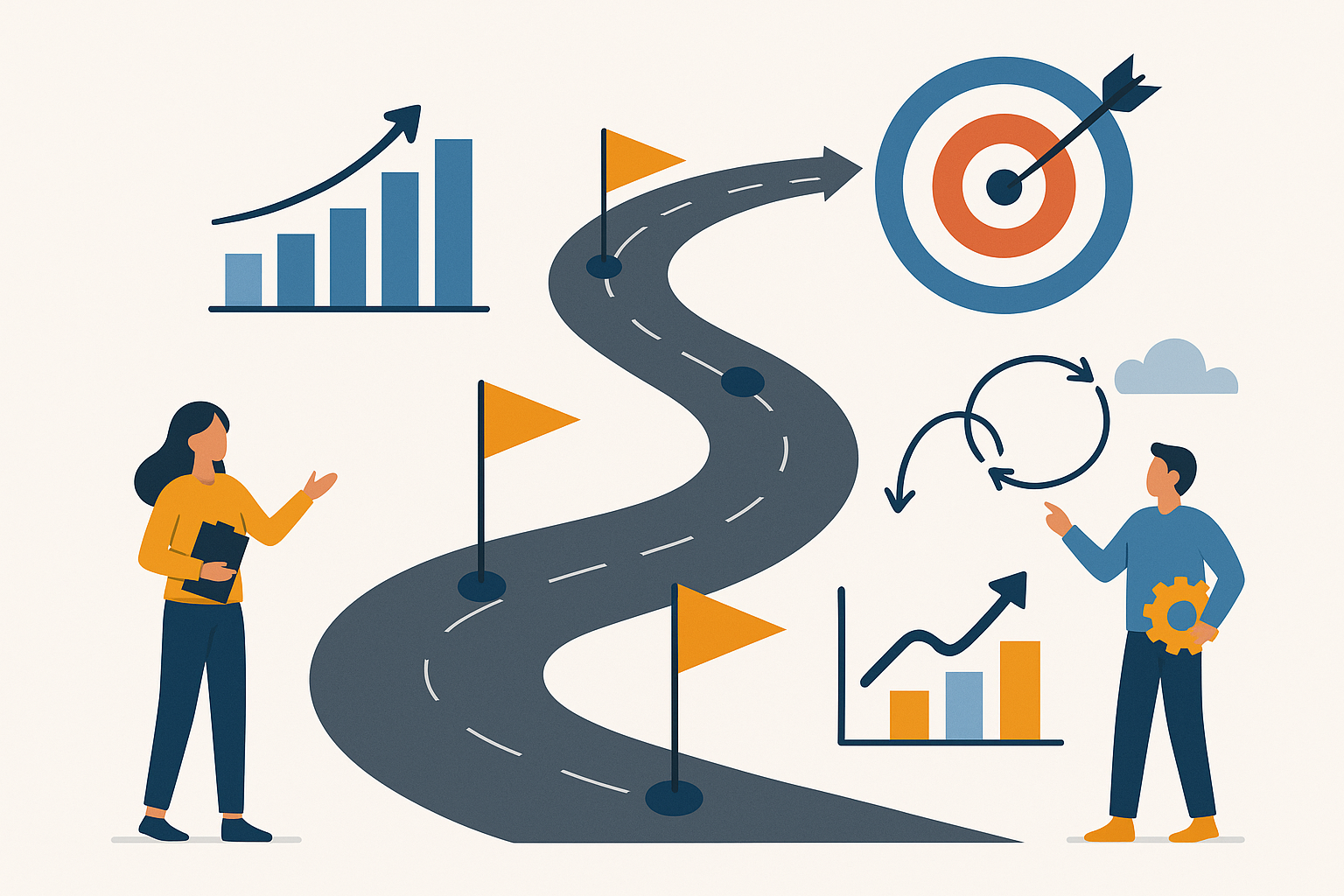
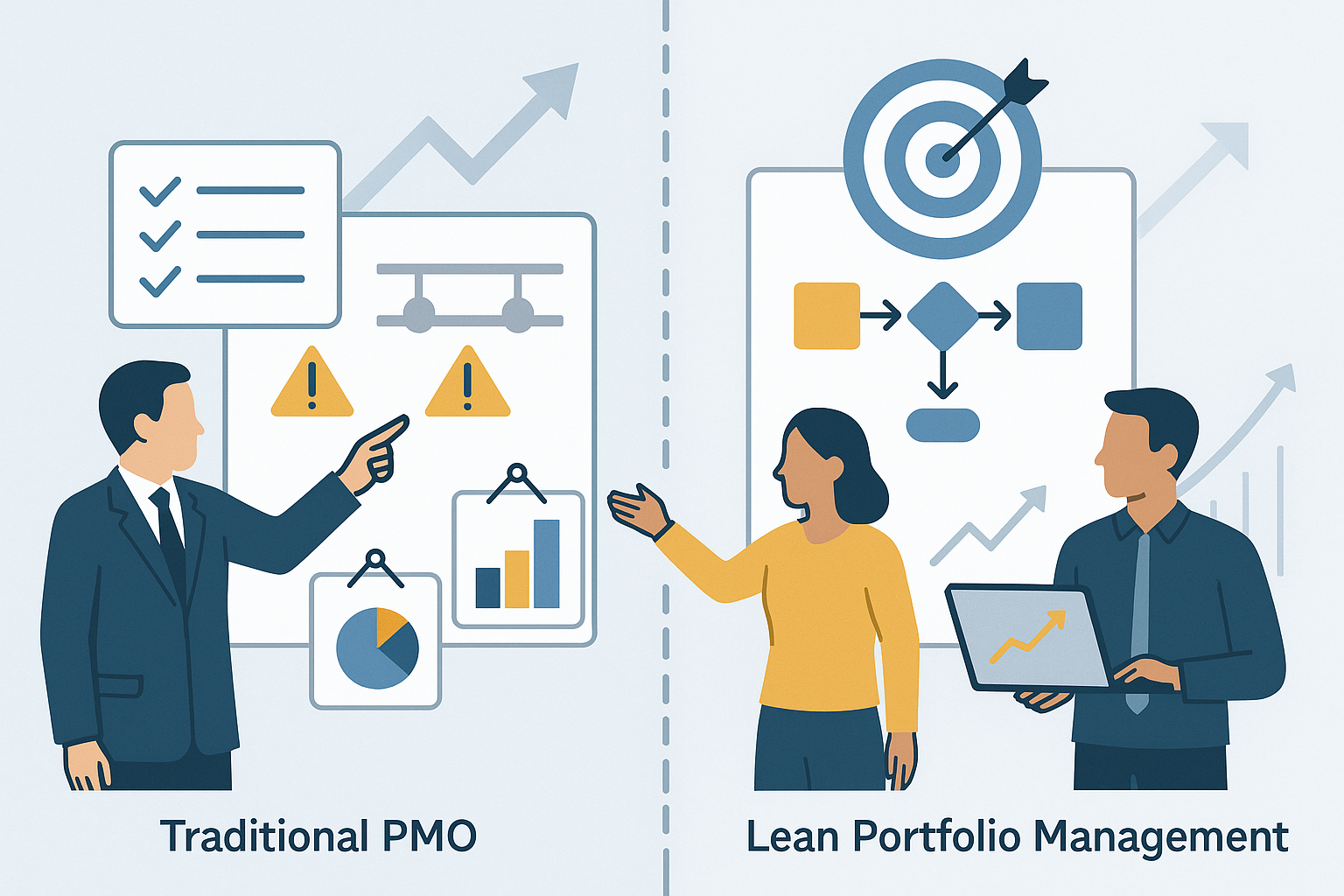
Transitioning from a traditional Project Management Office (PMO) to Lean Portfolio Management (LPM) is more than a structural shift—it’s a mindset change. Traditional PMOs excelled at governance and control, but today’s digital enterprises require speed, adaptability, and alignment with business outcomes. Lean Portfolio Management offers leaders a framework to connect strategy to execution, optimize investments, and empower value streams to deliver faster. This guide explores the why and how of making this transition, the leadership behaviors required, and actionable steps to foster business agility.

Building Better Agile Release Trains Through Strategic Team Topologies

Building Better Agile Release Trains Through Strategic Team Topologies

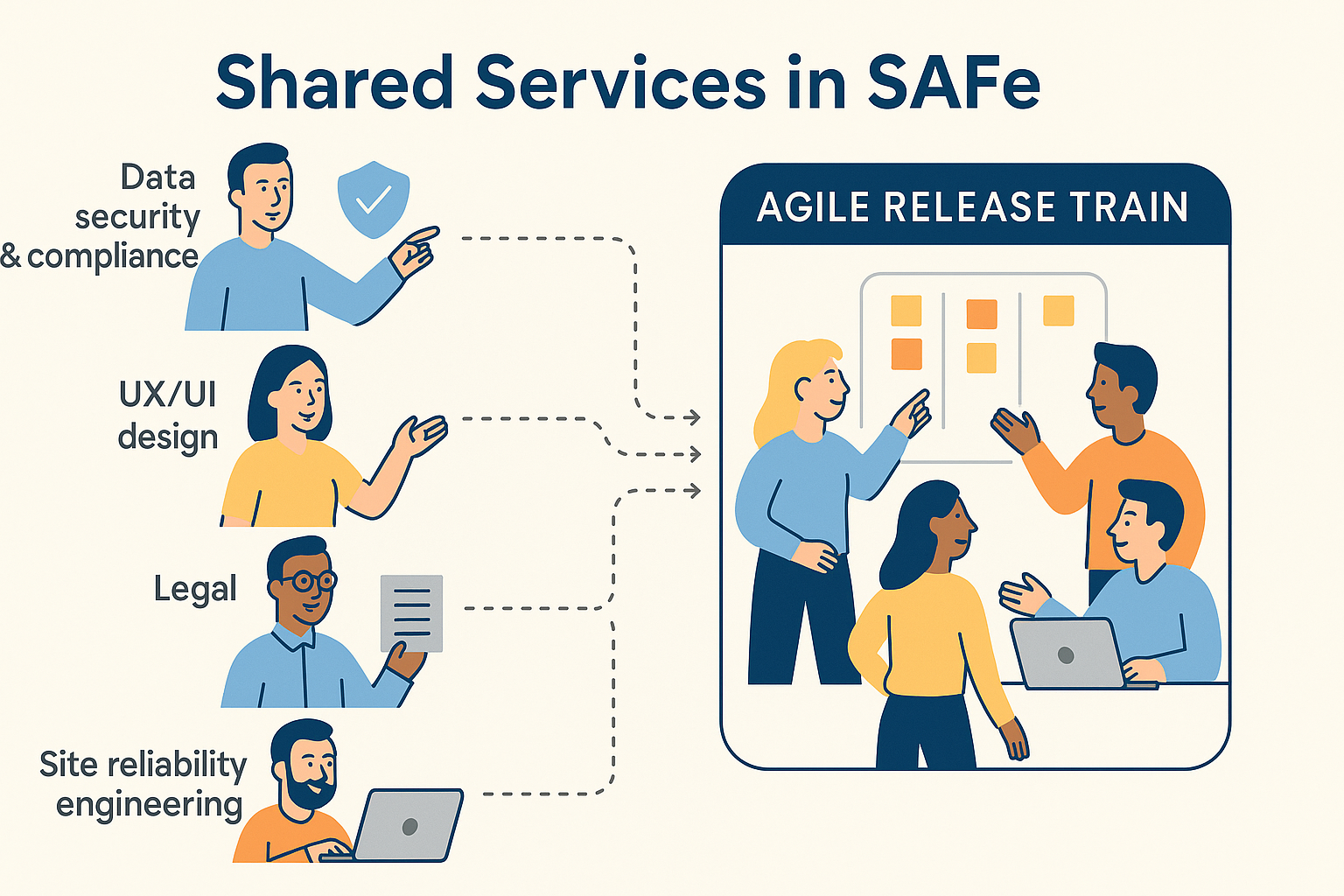
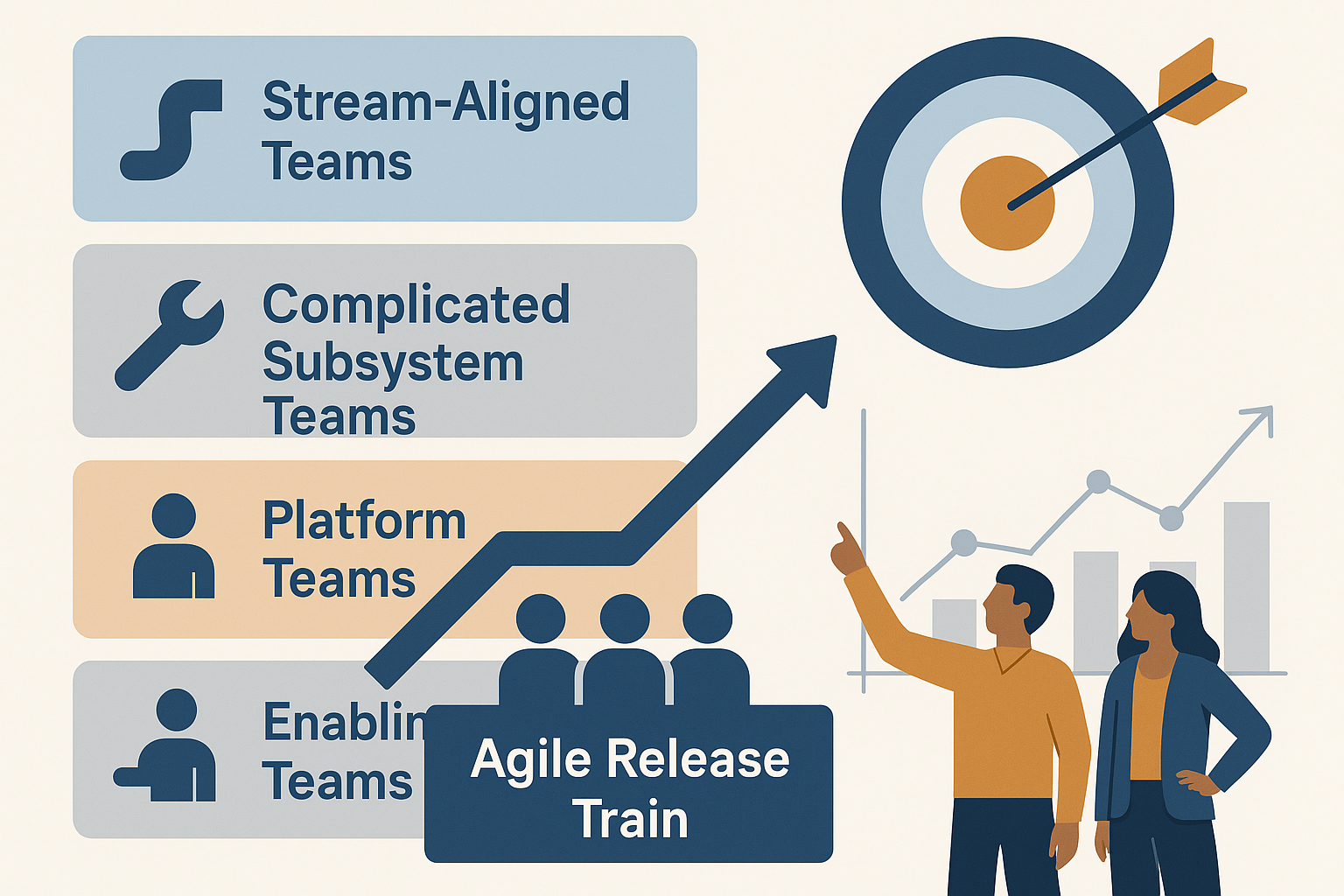
Team Topologies provide a proven lens for structuring teams around value. When applied to Agile Release Train (ART) formation in SAFe, these patterns reduce dependencies, increase flow, and enhance customer value delivery. This blog explores the four Team Topology types—Stream-Aligned, Enabling, Complicated Subsystem, and Platform—and shows how combining them creates high-performing ARTs that are both adaptable and customer-centric. For leaders seeking to scale Agile effectively, understanding and applying these team patterns is essential for unlocking greater organizational agility and maximizing return on investment.

Scrum or Kanban? How to Select the Best Agile Method for Your Work

Scrum or Kanban? How to Select the Best Agile Method for Your Work

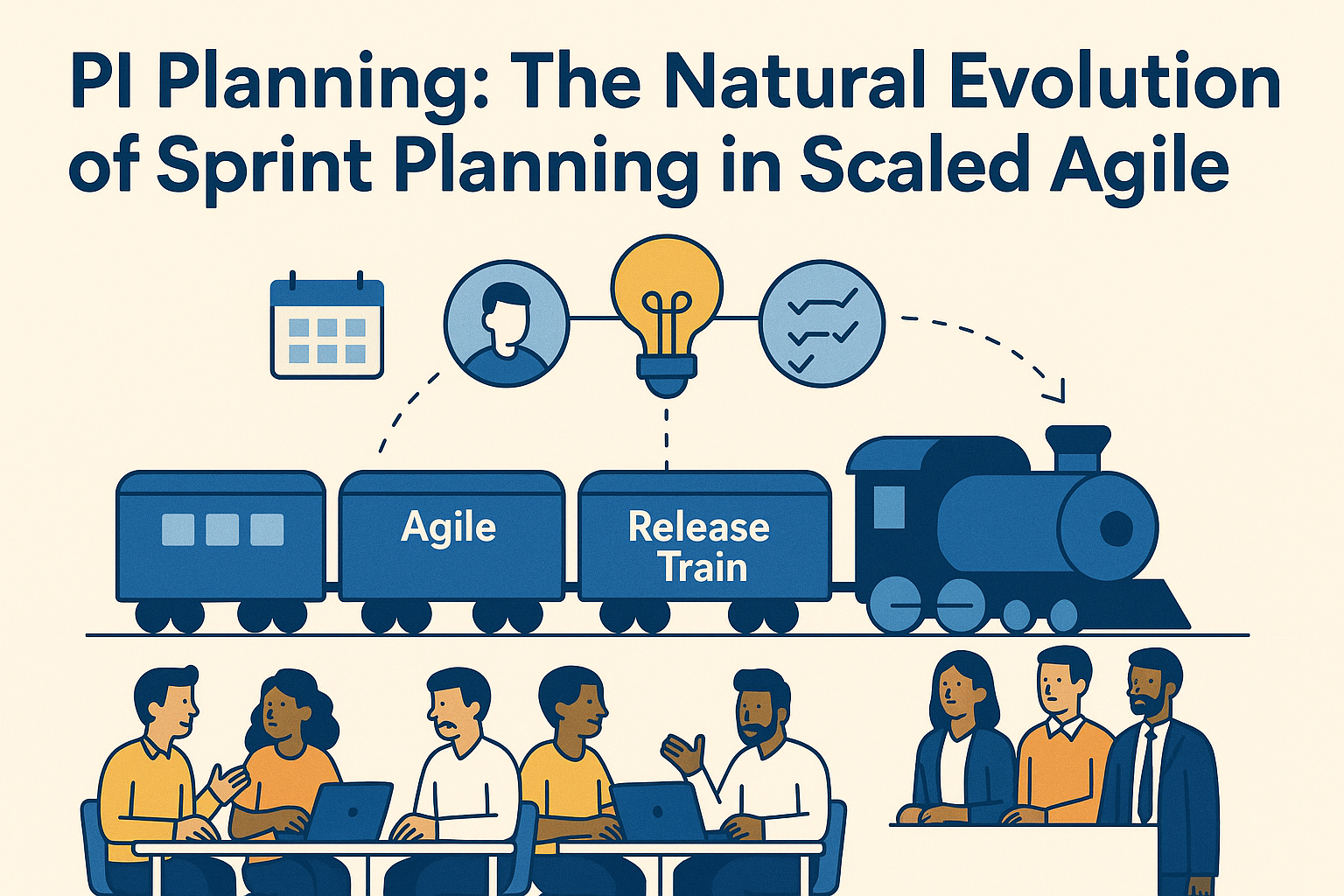
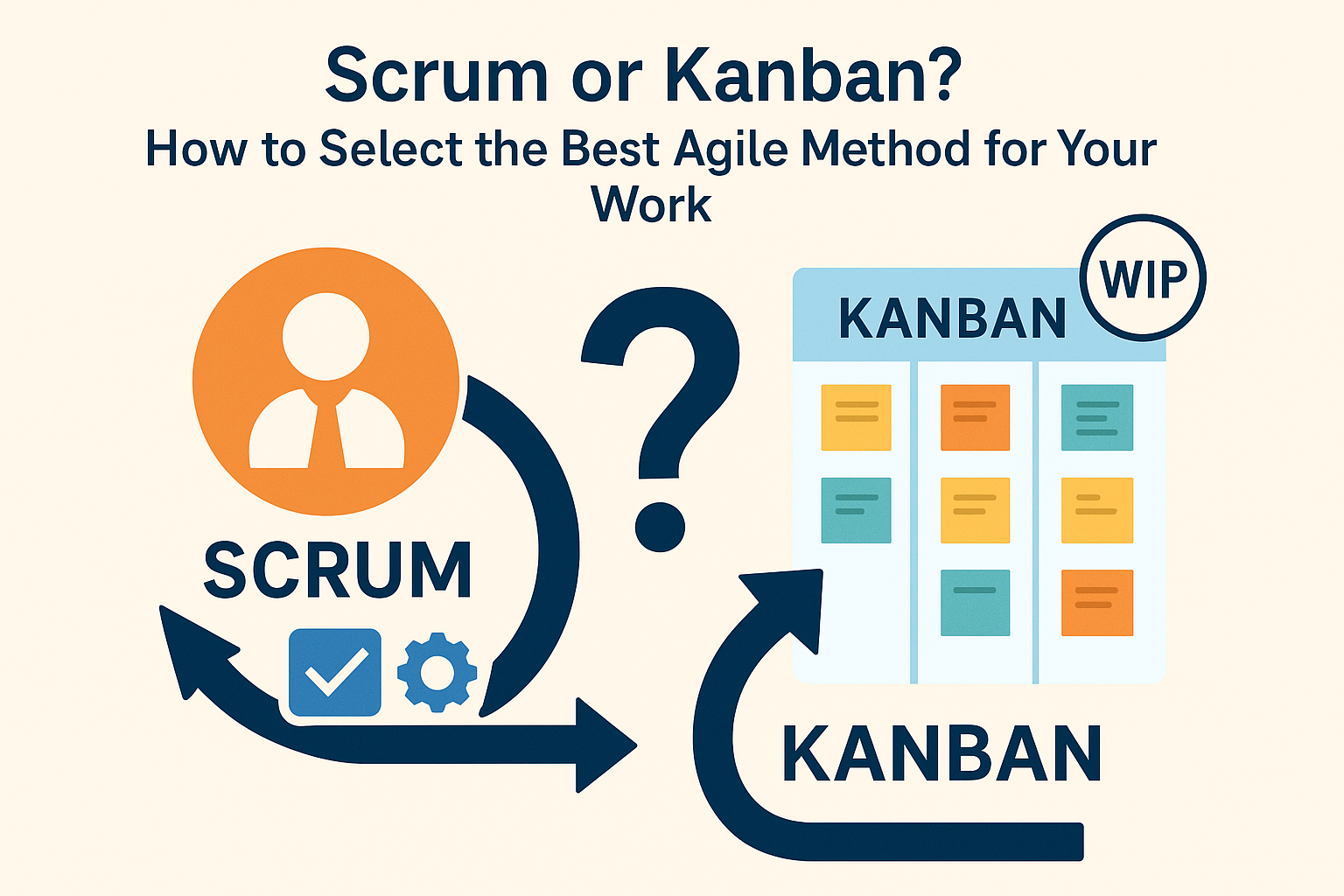
Scrum and Kanban are two of the most widely adopted Agile frameworks, but they serve different needs. Scrum thrives on structured sprints, defined roles, and predictable delivery, making it ideal for teams building complex products with evolving requirements. Kanban, on the other hand, offers flexibility and continuous flow, perfect for operational or support teams managing dynamic priorities. This article explores their core differences, strengths, and ideal use cases, equipping leaders and Agile practitioners to choose the best approach for their teams — or even blend both when scaling within SAFe environments.

The Funding Dilemma: Static Budgets in a Dynamic World

The Funding Dilemma: Static Budgets in a Dynamic World

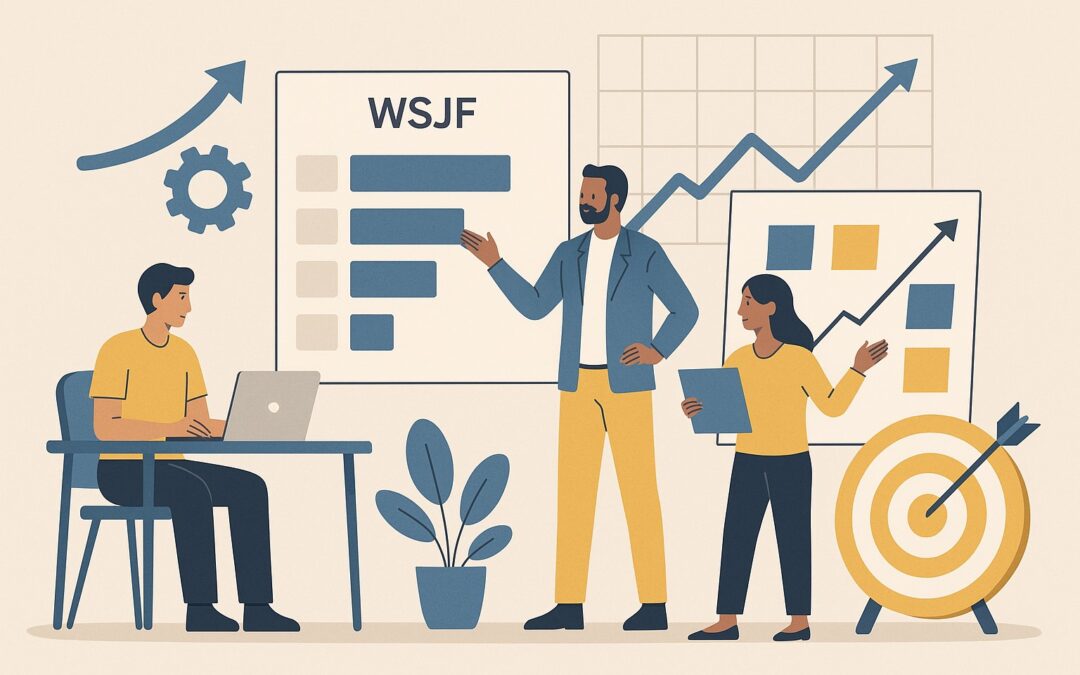
Traditional waterfall funding locks organizations into static budgets that can’t respond to shifting market conditions or customer needs. Participatory budgeting, a core element of SAFe’s Lean Portfolio Management, brings stakeholders together to dynamically prioritize funding based on value delivery and evolving strategy. This blog explores why participatory budgeting is better aligned with Agile principles, fosters transparency, and enables enterprises to pivot faster—all while ensuring every dollar drives maximum impact.